
Robust, Reliable,
Technology
GeoVISION™ Borehole Video Systems from Allegheny Instruments are customizable to any application, from 1-inch piezometer tubes to 10-foot diameter mine shafts. Manual or portable electric winch systems with up to 2,000 feet (600 meters) of cable to visually inspect any type of drill hole or boring into the earth – water wells, environmental monitoring wells, geotechnical borings, caisson foundations, drilled shafts, and shallow oil & gas wells.
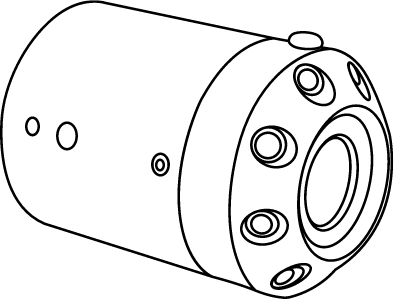
Our stainless steel cameras are rated to 2,000 feet of submergence underwater (1,000 psi), with sapphire windows and built-in high intensity LEDs. We offer two options for controllable side-view imaging; the joystick-controlled motorized pan & tilt, and our Dual Scan Micro camera with both down-view and side-view cameras with rotational control. We offer multiple lighting options to optimize video quality under a variety of conditions. With recessed on-board LEDs and a slim diameter of only ¾-inches (20 mm), our NANO camera is ideal for inspecting water wells without removing the well pump, and for emergency tool fishing operations.

Customizable


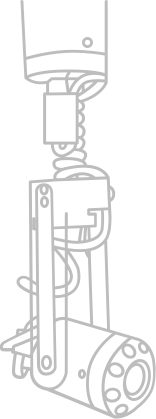
Our Deluxe winch system offers joystick-controlled sideview with either the Dual Scan Micro camera or the Standard Camera mounted on our Pan Tilt Controller. With the Dual Scan, the joystick is used to toggle between the downview or sideview lenses, and to rotate the camera body. The Pan Tilt Controller allows the operator to pan and tilt the Standard Camera lens in any direction, including back up the borehole.

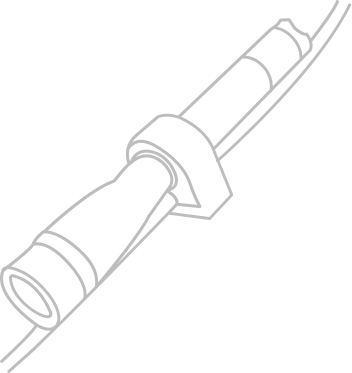
As the innovator of portable downhole video systems, our cameras are designed to be lightweight and as small in diameter as possible. Our 3/4-inch (20 mm) diameter Nano camera is a great tool to inspect wells without necessarily removing the well pump, as shown here . The Nano is also regularly used in tool-fishing operations due to its small diameter and beveled support clamp which minimizes the potential for getting snagged or hung up in the borehole. The Dual Scan Micro camera, with a diameter of only 1 1/8 inch (32 mm), is the smallest-diameter controllable-sideview borehole camera available.

We utilize a variety of different lenses to provide optimal video images over a wide range of well diameters. Our lenses are sized to provide the maximum field of view without the distortion effects produced by fish-eye lenses. We can also install custom lenses to fit your project’s requirements.
- Heavy Duty (hand winch) – 325, 650, or 1000 feet (100, 200, or 300 meters)
- Deluxe System (electric winch) – 325, 650, 1000, 1650, and 2000 feet (100, 200, 300, 500, and 600 meters)
Our lightweight polytheylene-sheathed cable consists of two outer copper-wrapped steel wires for power and ground, and an inner copper wire for the video signal. The cable can be easily replaced, so a system initially purchased with 325 feet of cable can be readily upgraded to a 1000 foot system.

Proper lighting is critical for optimal video image quality. Our cameras have on-board high-intensity LED lights. The Dual Scan Micro has three sets of independently-controlled LED light banks, which can be adjusted on the control panel depending upon downhole conditions and bore diameters. The Nano’s LED lights are recessed six inches above the lens, thus providing optimal backlighting conditions.
For large diameter wells/boreholes and challenging water clarity situation, we offer multiple auxiliary light setups, including the auxiliary dual setup which attaches directly to the camera, and two auxiliary 8 light rings which mount above the camera assembly.
Our Deluxe winch system offers joystick-controlled sideview with either the Dual Scan Micro camera or the Standard Camera mounted on our Pan Tilt Controller. With the Dual Scan, the joystick is used to toggle between the downview or sideview lenses, and to rotate the camera body. The Pan Tilt Controller allows the operator to pan and tilt the Standard Camera lens in any direction, including back up the borehole.
As the innovator of portable downhole video systems, our cameras are designed to be lightweight and as small in diameter as possible. Our 3/4-inch (20 mm) diameter Nano camera is a great tool to inspect wells without necessarily removing the well pump, as shown here . The Nano is also regularly used in tool-fishing operations due to its small diameter and beveled support clamp which minimizes the potential for getting snagged or hung up in the borehole. The Dual Scan Micro camera, with a diameter of only 1 1/8 inch (32 mm), is the smallest-diameter controllable-sideview borehole camera available.
We utilize a variety of different lenses to provide optimal video images over a wide range of well diameters. Our lenses are sized to provide the maximum field of view without the distortion effects produced by fish-eye lenses. We can also install custom lenses to fit your project’s requirements.
- Heavy Duty (hand winch) – 325, 650, or 1000 feet (100, 200, or 300 meters)
- Deluxe System (electric winch) – 325, 650, 1000, 1650, and 2000 feet (100, 200, 300, 500, and 600 meters)
Our lightweight polytheylene-sheathed cable consists of two outer copper-wrapped steel wires for power and ground, and an inner copper wire for the video signal. The cable can be easily replaced, so a system initially purchased with 325 feet of cable can be readily upgraded to a 1000 foot system.
Proper lighting is critical for optimal video image quality. Our cameras have on-board high-intensity LED lights. The Dual Scan Micro has three sets of independently-controlled LED light banks, which can be adjusted on the control panel depending upon downhole conditions and bore diameters. The Nano’s LED lights are recessed six inches above the lens, thus providing optimal backlighting conditions.
For large diameter wells/boreholes and challenging water clarity situation, we offer multiple auxiliary light setups, including the auxiliary dual setup which attaches directly to the camera, and two auxiliary 8 light rings which mount above the camera assembly.
Benefits

Quick Turn Around
Whether you’re ordering a camera, winch, light or a complete custom system, Allegheny Instruments is dedicated to getting your equipment to the jobsite when you need it.

Same Day Shipping
“Off The Shelf” orders placed before Noon Eastern Time typically ship the same day. Orders placed after Noon typically ship the next business day. With over 30 years in production, GeoVISIONTM borehole video systems have been shipped to over 100 countries.

Rapid Repairs
On the job, it’s critical that your borehole cameras are always work ready — especially in emergency situations. Product failure costs time and money. In the unlikely event that your Allegheny Instruments equipment malfunctions you can count on an immediate response. Because we manufacture our products in-house, there’s no wait for new parts. So, your equipment is fixed and back in the field quickly.

Customizable
At Allegheny Instruments, we’re experts in nearly every application you’ll encounter. We don’t just manufacture the products, we offer fully customizable system solutions built for your project’s requirements. In fact, you can start building your custom system right here.
